
“KMS” shows up constantly in texts and social media, especially in Gen Z conversations. But its meaning is far more serious than the casual way it gets typed.
This article clearly explains what KMS actually stands for, where it came from, and why treating it as a throwaway joke isn’t the right approach even when it’s meant lightly.
What Does KMS Actually Stand For
KMS stands for “Kill Myself.” It represents language tied to self-harm ideation, regardless of whether the person typing it means it literally.
Many people type it as a reaction to stress, frustration, or embarrassment. But its origin is a heavy phrase, not ordinary slang and that context doesn’t disappear just because it’s used casually.
Why This Abbreviation Became Common in Texting
Short abbreviations like LOL, BRB, and IDK evolved to make casual conversations faster. KMS became part of that same trend, but its underlying meaning is fundamentally different from typical slang.
Whenever a phrase is tied to self-harm or suicide, casual use can be unintentionally harmful — especially if the person reading it is genuinely struggling.
Common Situations Where People Type KMS
- After a stressful exam or assignment
- As a reaction to an embarrassing moment
- During a frustrating or annoying situation
- In group chats, used for exaggeration
In most of these cases, the intent is hyperbole. But the weight of the words doesn’t change based on intent.
Why Joking With KMS Can Be a Problem
When a phrase gets used casually and repeatedly, people start underestimating its seriousness. This is especially risky when someone who is actually struggling with their mental health uses the same phrase.
If the person reading it can’t tell whether it’s a joke or a genuine cry for help, the situation can become confusing and dangerous.
Comparison Table
| Situation | Is KMS Appropriate? | Why |
| Joking with close friends about stress | Risky | Can normalize serious language |
| Talking to someone who seems distressed | No | Can worsen the situation |
| Professional or school setting | No | Inappropriate and alarming |
| Public social media captions | No | Can be misread as a real crisis |
What To Do If Someone Sends You KMS Seriously
If someone sends you this phrase and seems genuinely serious, don’t brush it off as a joke.
- Talk to them directly and calmly
- Listen without judgment
- Encourage them to speak with a trusted adult or professional
- If there’s immediate danger, contact a crisis helpline or emergency services right away
Safer Ways to Express Stress or Frustration
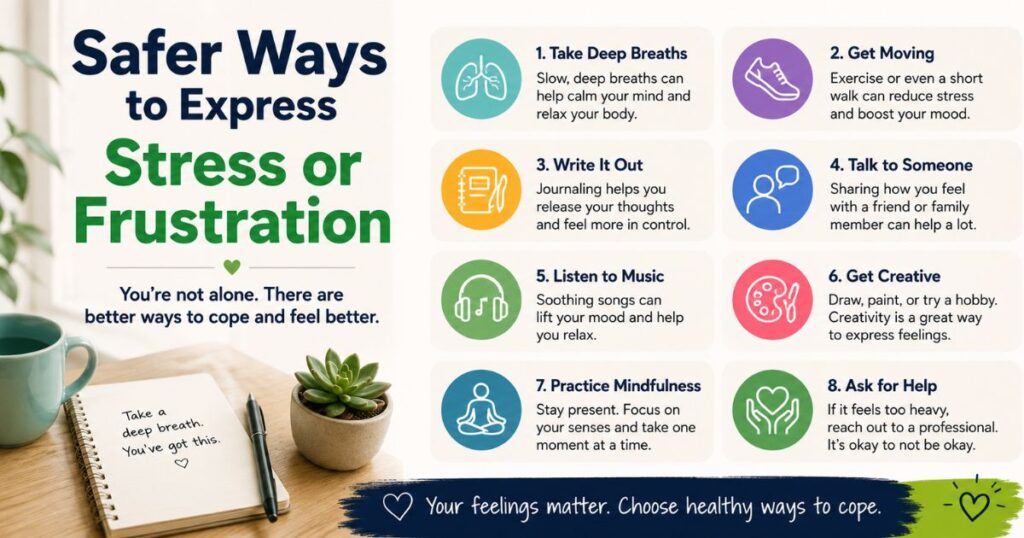
There are healthier, equally relatable ways to express being overwhelmed:
- “I’m so done today”
- “This is too much right now”
- “I need a break, I’m overwhelmed”
- “Today completely drained me”
These phrases convey the same frustration without relying on harmful language.
KMS on TikTok, Snapchat, and Other Platforms
On social media, KMS often appears in comments and captions, usually as a reaction or exaggeration. But on platforms like TikTok, this kind of language can also violate community guidelines, since it’s associated with self-harm.
Many creators and platforms now flag or restrict this type of language to avoid normalizing it.
Mistakes People Often Make With This Term
- Treating it as just a symbol of “annoyance”
- Underestimating how serious it actually sounds
- Mistaking a genuine warning sign for a joke
- Replying with the same phrase without understanding context
These mistakes can be unintentionally harmful, especially in close relationships.
How This Term Affects Mental Health Conversations Online
When serious phrases get repeated casually, real mental health conversations start to feel trivial. This makes it harder for people who are genuinely struggling to ask for help, because their words risk being dismissed as “just a joke” too.
Building Healthier Digital Communication Habits
For Gen Z audiences, it’s worth remembering that online language has real impact. Choosing alternative, non-harmful phrases to express emotion is a small but meaningful step toward safer online spaces.
Frequently Asked Questions
What does KMS mean in text?
KMS stands for “Kill Myself,” a phrase tied to self-harm ideation.
Is KMS just a joke among friends?
It’s often used jokingly, but the underlying meaning is genuinely serious.
Should I use KMS casually?
No, it’s better to avoid it casually since it can easily be misread.
What if someone sends KMS and seems serious?
Talk to them, offer support, and involve a professional if needed.
Is this term flagged on social media platforms?
Yes, many platforms monitor or restrict language related to self-harm.
What can I say instead of KMS?
Phrases like “I’m overwhelmed” or “This is too much” work as better alternatives.
Why is this phrase considered risky?
Because it’s directly tied to suicide, and casual use reduces how seriously it’s taken.
Conclusion
As common as KMS looks in everyday texting, its actual meaning is genuinely serious. It’s directly connected to self-harm, which is why avoiding casual use matters.
If someone uses it in a genuinely serious tone, guide them toward support and professional help right away.