
Saying “thank you for the update” over and over can start to feel repetitive, especially in emails and group chats. Whether you are replying to a coworker, a friend, or a client, having fresh alternatives keeps your messages sounding genuine instead of robotic.
This guide breaks down formal, informal, and professional ways to say it, along with grammar tips, mistakes to avoid, and real examples you can copy and use right away.
What Does “Thank You for the Update” Mean?
This phrase is used to acknowledge that someone has shared new or current information with you. It shows appreciation for being kept informed, whether the update is about a project, a schedule change, or personal news.
It is a polite, neutral phrase that works in both casual and professional settings, making it one of the most commonly used acknowledgment phrases in emails and chats.
When to Use “Thank You for the Update”
- When a coworker shares progress on a task or project
- When someone informs you about a schedule or plan change
- When you receive news, whether good or unexpected
- When a client or manager sends status information
- When a friend shares personal updates in casual chat
Is “Thank You for the Update” Polite or Professional?
Yes, this phrase is considered both polite and professional. It works well in formal emails, workplace messaging, and casual conversations without sounding out of place.
However, using it too often in the same conversation can feel repetitive, which is why having alternatives is helpful for keeping communication natural.
Pros & Cons of Using the Phrase
| Pros | Cons |
| Simple and easy to understand | Can feel repetitive if overused |
| Works in formal and casual settings | Sounds generic without personalization |
| Shows basic courtesy and acknowledgment | Lacks warmth in close relationships |
| Universally recognized in emails | May feel robotic in fast-paced chats |
Other Ways to Say Thank You for the Update in Email
- Thank you for keeping me informed
- I appreciate you keeping me in the loop
- Thanks for the informative update
- I appreciate you taking the time to update me
- Thank you for the detailed update
- Thanks for keeping me posted
Quick Alternative List (15 Short Replacements)
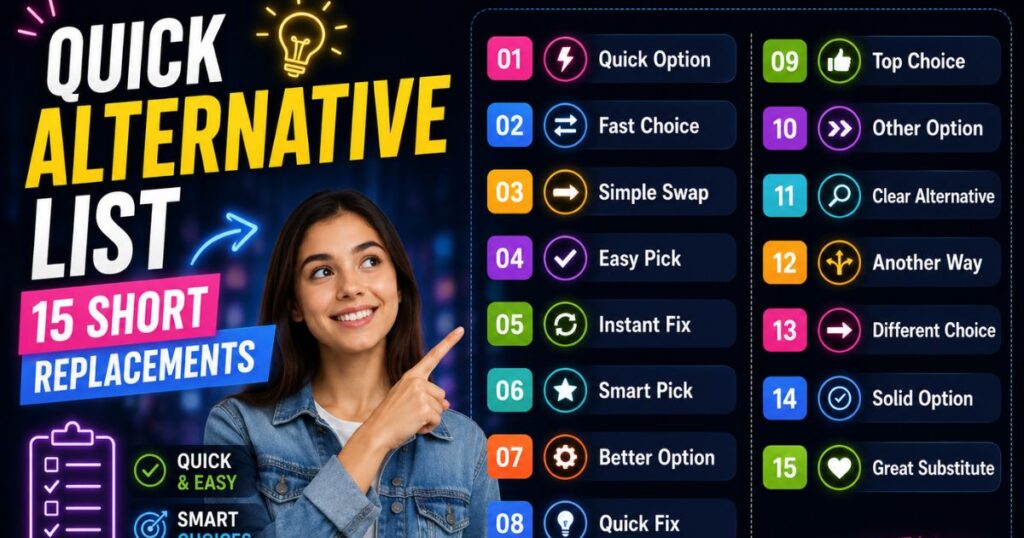
- I appreciate the update
- Thanks for letting me know
- Thanks for the information
- I appreciate the heads-up
- Thanks for the heads-up
- Much appreciated
- Thanks for keeping me posted
- Thanks for the quick update
- I’m grateful for the update
- Thanks for the follow-up
- Good to know
- Thanks for sharing this
- I appreciate the information
- Thanks for the details
- Cheers for the update
Thank You for the Update Correct Grammar
“Thank you for the update” is grammatically correct as written and requires no changes. If you want to be more specific, you can add a topic, such as “Thank you for the update on the project timeline,” to clarify what update you are referring to.
Strong Alternatives with Easy Explanations
Below are some of the strongest alternatives, broken down individually with context on when to use them.
I Appreciate the Update
This phrase feels slightly more formal and works well in professional emails where you want to sound polished and grateful without being overly casual.
Thanks for Letting Me Know
A simple, friendly option ideal for quick replies in chats or emails where the update was short and direct.
Thanks for the Information
This works best when the update includes specific facts, data, or details rather than general news.
I Appreciate the Heads-Up
Use this when someone warned you about something in advance, helping you prepare or avoid being caught off guard.
Thanks for the Heads-Up
A more casual version of the above, commonly used among coworkers or friends in relaxed conversations.
Much Appreciated
A short, versatile phrase that works well as a quick, polite closing line in emails or chats.
Thanks for the Heads Up Meaning
This phrase means you are thankful that someone gave you advance notice or a warning about something, allowing you to prepare ahead of time.
Thank You for the Update Meaning
This phrase simply means acknowledging and expressing gratitude for receiving new or current information from someone.
Thanks for Keeping Me Posted
This works well in ongoing situations where someone continues to update you over time, such as a long-term project.
Thanks for the Quick Update
Use this when someone responds faster than expected, showing appreciation for their promptness.
How to Say Thank You for the Updates
You can say thank you for updates using phrases like “thanks for keeping me posted,” “I appreciate the update,” or “thanks for the follow-up,” depending on the tone you want to convey.
I’m Grateful for the Update
A warmer, more heartfelt alternative, useful when the update carries more significance, such as personal or important news.
Thanks for the Follow-Up
Ideal for situations where someone checks back in after a previous conversation or unresolved matter.
Good to Know
A short, casual phrase that works well in quick chats or informal replies where formality is not needed.
Thanks for Sharing This
Useful when the update includes documents, links, or detailed information shared alongside the message.
I Appreciate the Information
A slightly formal alternative that works well in professional or academic communication.
Thanks for the Details
Best used when someone provides specific, detailed information rather than a general update.
Cheers for the Update
A casual, friendly phrase commonly used in informal settings, especially among peers or in British English contexts.
Mini Dialogue Examples

Example 1 (Workplace): Coworker: “Just finished the report, sending it over now.” Reply: “Thanks for the quick update, I’ll review it shortly.”
Example 2 (Friends): Friend: “Just landed, made it safely!” Reply: “Good to know, glad you’re safe!”
Example 3 (Client Email): Client: “Here is the revised timeline for the project.” Reply: “I appreciate the detailed update, this is very helpful.”
Mistakes to Avoid
- Using the same phrase repeatedly in one conversation
- Sounding overly formal in casual chats
- Being too casual in professional emails
- Forgetting to specify what the update was about
- Using the phrase without acknowledging the actual content shared
Cultural & Tone Tips
In professional or Western workplace settings, phrases like “I appreciate the update” or “thank you for keeping me informed” are safer choices. In casual or Gen Z conversations, shorter phrases like “good to know” or “cheers for the update” feel more natural and less stiff.
Comparison Table
| Alternative Phrase | Best Used For |
| I appreciate the update | Formal emails |
| Thanks for letting me know | Quick replies |
| Thanks for the heads-up | Casual warnings |
| Thanks for keeping me posted | Ongoing updates |
| Cheers for the update | Informal chats |
| I’m grateful for the update | Personal or important news |
Frequently Asked Questions
Is “Thank you for the update” rude?
No, it is a polite and neutral phrase suitable for most conversations.
Is it okay in emails?
Yes, it is commonly used and accepted in professional email communication.
What is the most formal alternative?
“I appreciate you keeping me in the loop” is one of the more formal options.
What is the most polite alternative?
“Thank you for the detailed update” comes across as especially polite and thoughtful.
What should beginners use?
“Thanks for letting me know” is simple, safe, and easy to use in most situations.
What should I avoid in work emails?
Avoid overly casual phrases like “cheers” in formal or corporate email settings.
Conclusion
Having multiple ways to say “thank you for the update” helps keep your emails and messages feeling fresh, genuine, and appropriate for the situation. Whether you need something formal for work or casual for friends, these alternatives cover every tone you might need.